




Most Minnesota Agencies Spend Under 30 Percent Of Public Advertising Dollars With Local News
New data shows that directing a half of the state’s advertising to local news outlets would deliver meaningful revenue to strengthen community news coverage and support newsrooms jobs
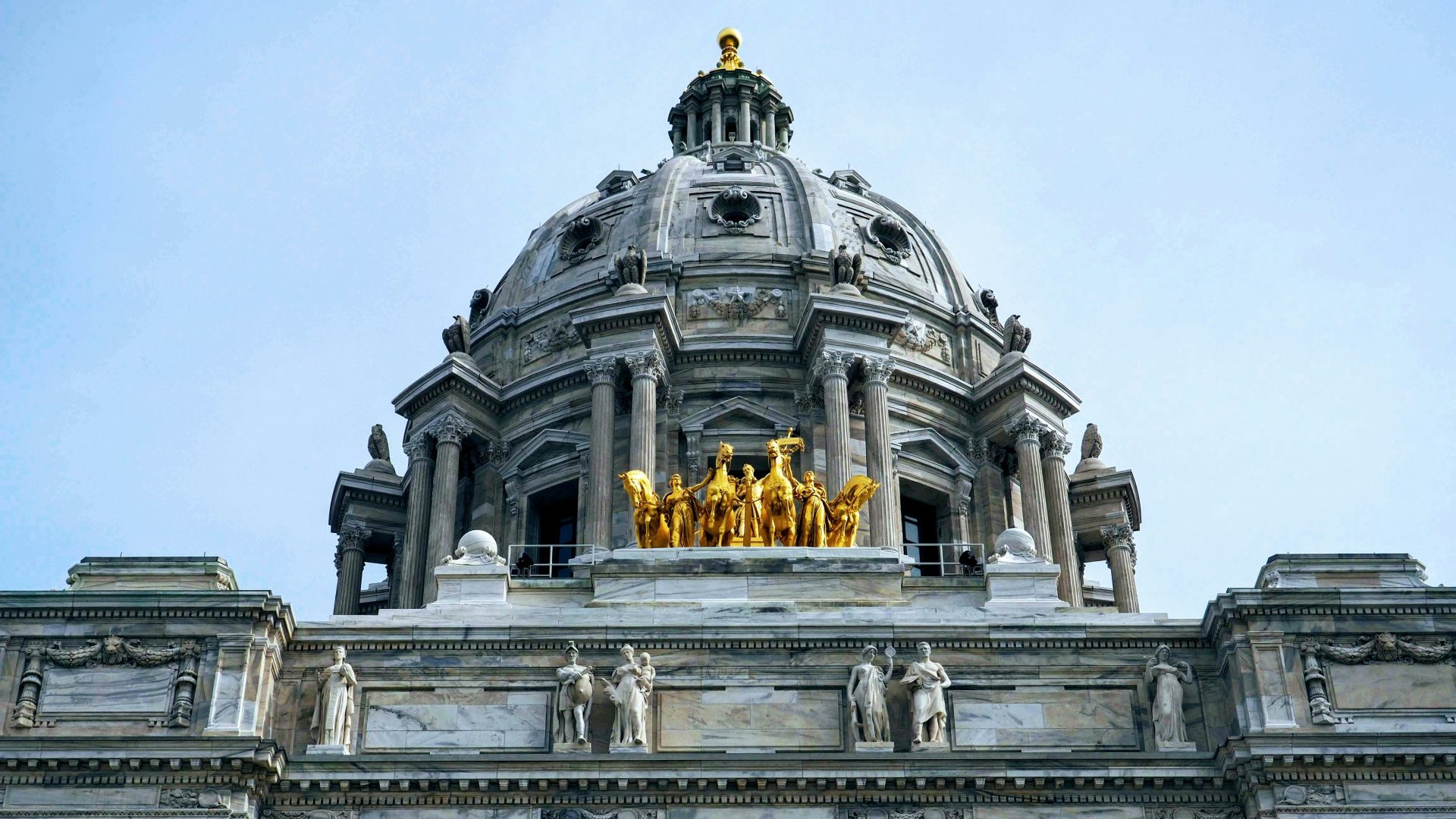
In February, Minnesotans saw for the first time how state agencies spend public dollars on advertising and how little of that money reaches local news. The disclosures were required under a transparency law that lawmakers passed in 2025.
The numbers, posted to state agency websites on Feb. 1, reveal that a dozen agencies spent more than $2.4 million promoting government programs and services, from health insurance enrollment to benefits for veterans, children and families.
Yet only $700,000 of total — less than 30 percent — went to local newspapers, radio and television.
Some agencies spent even less. Minnesota’s Department of Veteran Affairs devoted only 7 percent of its advertising budget — about $52,000 out of $726,000 — to local news outlets. MNSure health insurance program, which has the second-largest advertising budget after the Lottery, spent only 22 percent of its more than $1 million budget with local news outlets, mostly TV and radio. The Department of Employment and Economic Development spent about one-third of its nearly $1.7 million in advertising buys targeting in-state audiences, but just under 5 percent of that Minnesota-targeted spend, about $26,000, went to local newspapers and radio outlets.
But other agencies chose to “buy local” at far higher levels. The Department of Human Services spent 95 percent of its ad budget – nearly $160,000 – with Minnesota newspapers. The Department of Youth and Families, the business and workforce development Iron Range Resources and Rehabilitation, and the Department of Revenue also spent more than 80 percent of their advertising budgets with local news organizations.
The state Lottery spent 43 percent of its $3.5 million advertising budget with local TV, radio and newspapers. That’s compared to the overall agency average of less than 30 percent spent with local outlets.
The data, secured through advocacy from the Minnesota Newspaper Association, tells an important story: Most of Minnesota’s public advertising dollars are being steered away from the state’s local news sources toward other media platforms, likely including big tech companies such as Google and Meta.
Getting this information is the first step in keeping more of the state’s advertising dollars in Minnesota communities – with local news outlets. MNA has been leading the push for a “buy local” government advertising set-aside that would direct half of agency advertising budgets to in-state community news organizations.
“MNA’s initial proposal required state agencies to spend half of their advertising budget on local news ads and annually report on their ad spending,” said Lisa Hills, MNA executive director. “Our efforts were hindered by the lack of information about current state agency advertising spending. Having the data from this report will be helpful to our future efforts.”
Unlike big tech and other media companies, advertising dollars spent with local news organizations have countless important advantages for the communities they serve. With a slight but intentional shift in priorities, Minnesota could strengthen and expand news coverage statewide.
That’s why Rebuild Local News developed and advocates for government advertising transparency and set-aside policies.
Transparency laws like Minnesota’s are essential for understanding where public dollars go. Illinois and California have passed similar requirements, with their first reports expected in fall 2026.
A government advertising set-aside policy requires state or municipal agencies to dedicate a portion of their advertising budgets to local news media. Although the idea is relatively new, it has already had a profound impact in New York City, where the Center for Community Media pioneered the policy in 2020.
In its first five years, NYC’s set-aside steered $72 million to ethnic and community news outlets, CCM reported. That investment has allowed neighborhood publications such as The Haitian Times to hire staff and expand news coverage. Inspired by this model, San Francisco and Chicago have adopted similar policies.
This approach has drawn bipartisan appeal because it doesn’t require additional budget appropriations and still allows agency advertising teams to meet their marketing goals effectively, among other advantages. In 2026, state-level set-asides are advancing through legislatures in Maryland and New Jersey, with coalitions in other states drafting bills.
Tracking how government advertising dollars are spent is an important first step toward reinvesting public money in the public good of local news in Minnesota. New York City has shown what’s possible, and other cities and states now have a roadmap for steering more public advertising dollars back into community news, strengthening coverage for every resident.

Get the latest on local news legislation, industry developments, and more with our monthly newsletter.